Features testimonials
What are the amino acids in collagen?

Read Next Article
Enter your email address for your account and we’ll send a reset link.
New to Absolute Collagen? Join today!
Save 18% when you subscribe to a supplement
From just £19.20
Exclusive Absolute Rewards loyalty scheme
90 day money back guarantee
Edit, skip or cancel anytime
Free delivery & 18% off all recurring orders

You've unlocked Absoluter pricing discounts on our Deep Lift Skincare subscriptions when purchased with a Supplement subscription.
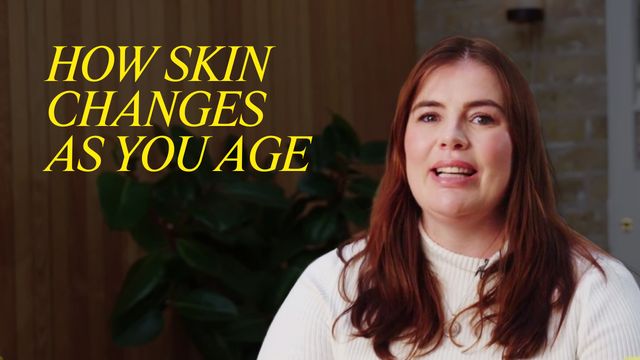
Skin is constantly evolving. From the plump resilience of your 20s to the structural changes that occur later on, ageing is a natural biological process that affects how skin looks, feels and behaves.
In this post, leading aesthetic Dr Sophie Shotter explains exactly why your skin changes as you age - and what you can do to support it.
Award-winning Dr Sophie has more than a decade of medical experience, graduating from Leeds University with an MBChB and BSc Hons in Genetics in Relation to Medicine.
Since then, she’s become one of the UK’s ‘rising star’ aesthetic doctors and was awarded Medical Practitioner of the Year 2023 at the prestigious Aesthetics Awards.
According to Dr Sophie, understanding the changes in your skin is the first step towards supporting it in the long term.
Here is her rundown on how skin typically changes through the decades and the steps you can take to help support it.
In your 20s, skin is typically at its most resilient. Collagen and elastin production are strong, helping the skin maintain firmness, bounce and elasticity.
“These proteins form the structural framework that keeps skin looking smooth and plump,” says Dr Sophie.
“During this stage of life, the skin’s repair processes are also highly efficient, allowing it to recover quickly from environmental stressors.”
Because of this natural resilience, many people notice relatively few visible signs of ageing during their 20s.
By the time people reach their 30s, natural collagen production begins to decline. This gradual shift can lead to the first visible changes in skin texture and structure.
“Fine lines may begin to appear,” says Dr Sophie, “particularly around areas that move frequently such as the eyes and mouth. Skin may also start to feel slightly less firm than before.”
Whilst these changes are subtle at first, they reflect underlying biological shifts happening beneath the skin’s surface.
As people move into their 40s and later decades, additional changes become more noticeable.
“Elasticity gradually decreases, meaning the skin doesn’t bounce back as easily as it once did,” explains Dr Sophie. “Hydration levels may also drop, which can affect how smooth and supple the skin feels.”
At the same time, the skin’s natural repair processes begin to slow down. This can make the effects of environmental factors, lifestyle and ageing more visible over time.
Although skin ageing is natural, Dr Sophie emphasises that proactive care can help support healthy looking skin at every stage of life.
One approach she highlights is supporting the body from within.
“One of the best ways to support your skin from the inside out is by supporting it with a collagen supplement,” she explains.
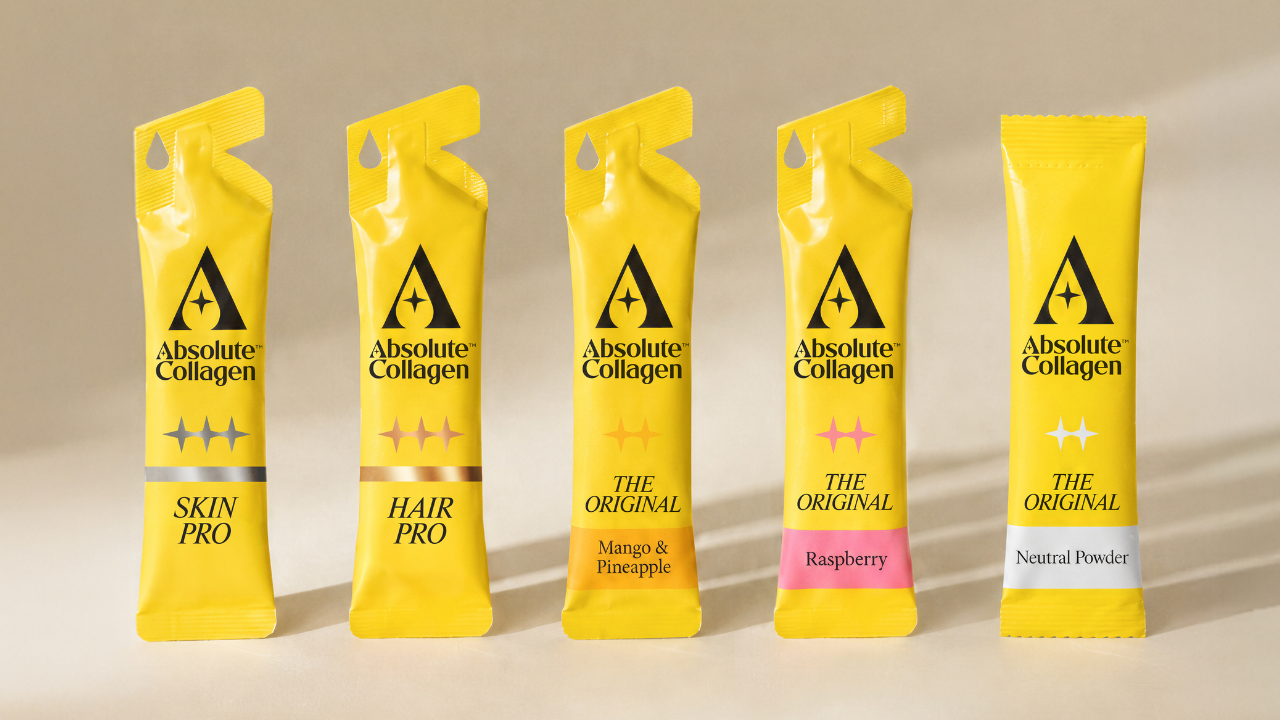
“You can choose Absolute Collagen's clinically proven powder or liquid collagen, or if you really want to step up the skin benefits you can opt for their Skin Pro formula, which includes the only clinically proven dose of hyaluronic acid on the market, alongside niacin and biotin to support deeply moisturised, plumper looking skin.”
Dr Shotter also emphasises that supplements should be part of a broader routine that supports skin health.
“As you age, it's also important to pair your supplement with a nutrient rich diet, adequate hydration, and sun protection to maximise your results,” she explains.
A nutrient-rich diet provides the building blocks the body needs to maintain skin structure.
Staying adequately hydrated supports normal skin function, whilst sun protection helps reduce the impact of environmental stressors.
Taken together, these habits create a supportive foundation for maintaining healthy-looking skin as the years go by.
Ageing is a natural process that affects everyone differently. Whilst collagen production, hydration and elasticity naturally change over time, small daily habits can play a meaningful role in supporting skin health.
As Dr Sophie Sophie explains: “The goal is not to stop ageing, but to support the skin as it evolves, helping it remain healthy, resilient and well supported at every stage of life.”